

According to a new survey of 2,004 American adults aged 18 and over by The Harris Poll (THP), presented by Quad, the “Return of Touch” phenomenon — wherein consumers seek out tactile and IRL experiences as an antidote to “digital fatigue” — shows no signs of slowing down. And consumers are increasingly adjusting their media consumption and shopping behaviors, which means that marketers need to rethink their audience strategies.
Titled “Return of Touch: The Human Advantage,” the new research expands on THP’s original landmark white paper, “The Return of Touch Report: Reimagining Consumer Engagement in 2025,” released last May and also presented by Quad. (You can find both the new report and the original report here; both are free downloads.)
In its May 2025 report, THP concluded that among today’s consumers, “the pendulum is swinging back toward three-dimensional touch,” particularly among younger demographics. The newly released survey, which was fielded in July and August 2026 within the United States by The Harris Poll, confirms and expands on that assertion through a combination of trended survey questions (i.e., questions first asked in 2025 and then asked again this year) and new questions meant to further explore the phenomenon.
The full report is a must-read for marketers, but for now, four key takeaways:
1. Consumers — especially younger consumers — are taking real actions to combat digital fatigue
Eight in 10 Gen Zers (80%) agree, “Taking breaks from social media improves my mental health.” (That’s a jump of five percentage points over 2025.)
Gen Zers feel the burden of digital life most acutely: Nearly half (49%) say social scrolling makes them feel drained (vs. 35% of Millennials, 36% of Gen X and 30% of Boomers).
75% of consumers of all ages believe having a simpler relationship with technology feels like a “lifestyle upgrade” rather than a sacrifice.
2. The lure of IRL experiences — including IRL/tangible brand experiences — is a major opportunity for marketers
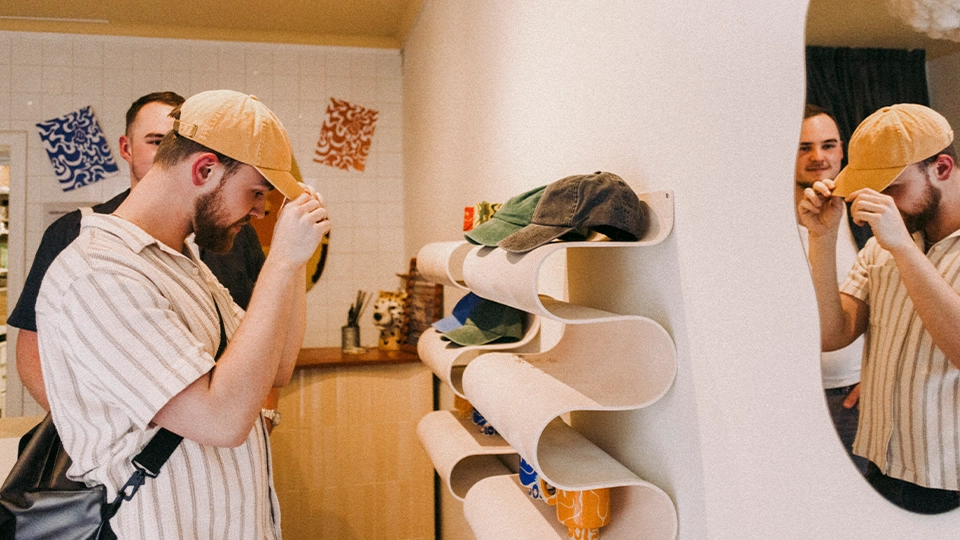
Nearly seven in 10 (69%) consumers report going out of their way for an in-person shopping experience — rising to 84% among Gen Z.
80% of consumers say they’re drawn to real-world experiences that don’t revolve around screens.
77% of consumers say that browsing physical stores feels more like an adventure than shopping online.
3. Brands that offer consumers literal (physical) touchpoints have a trust and brand-connection advantage
71% of consumers say that experiencing a brand in-store deepens their connection and loyalty to it. (That percentage has stayed steady; it was also 71% in 2025.)
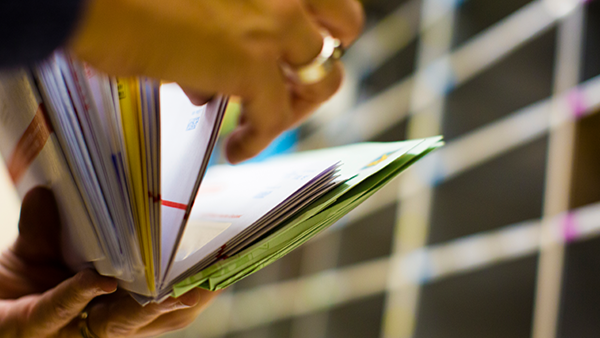
72% of consumers say that receiving mail, print materials or catalogs from a brand makes them likely to visit a physical store.
77% of Gen Z/Millennials — and 70% of consumers of all ages — agree, “Seeing how a brand shows up in a physical space helps me understand it better.”
4. The aesthetics of tangible brand experiences matter deeply to consumers
73% of Gen Z/Millennials (vs. 65% of consumers of all ages) agree, “I remember special store environments long after the purchase itself.”
84% of consumers report that they trust a brand more when it pays attention to elements such as packaging, textures and finishes.
Eight in 10 (79%) Americans say touching and feeling products is essential to their purchase decisions.
Want to learn more? Download “Return of Touch: The Human Advantage” here.