
Advertising Week New York is never short on provocative programming. At this year’s event, which took place Oct. 5–8, the industry’s most pressing topics were front-and-center on the Insights Stage — a space reserved for deep dives into trending ideas with “takeaways that [marketers] can immediately implement,” per the conference organizers.
Among the highlights: “The Digital Detox Paradox,” a panel discussion about recent shifts in behavior (and spending habits) among Gen Z and millennials. While younger consumers continue to discover, engage and shop online, new research from The Harris Poll, presented by Quad, also reveals they’re increasingly screen-fatigued and tech-weary — and seeking out brands that prioritize the physical realm.
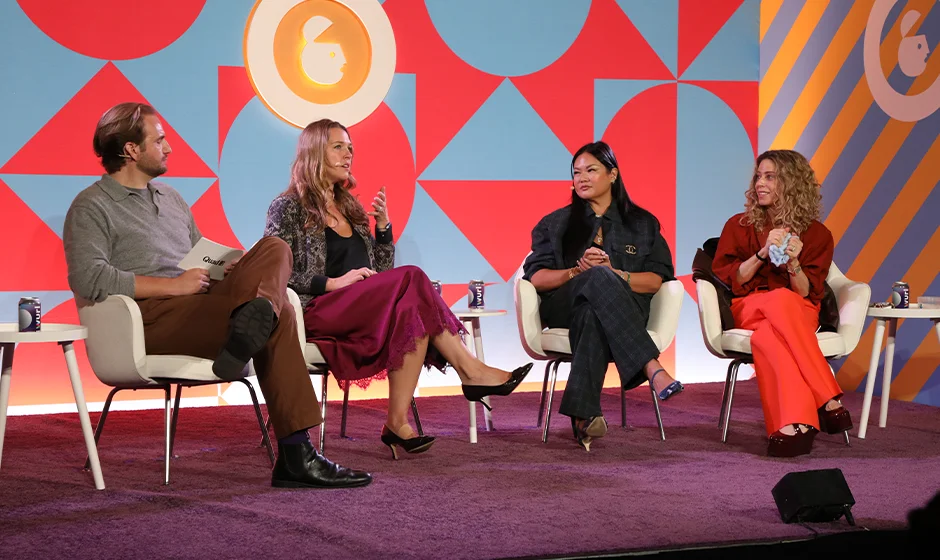
Moderated by Quad’s Max Prince, the panel featured some of the sharpest minds at the intersection of branding, strategy, data science and experiential marketing: Libby Rodney, Chief Strategy Officer at The Harris Poll, a leading market research and analytics firms; Michelle Wong, Senior VP of Global Marketing for the toy company Jazwares; and Karen Robinovitz, Co-founder of the Sloomoo Institute, the viral slime brand known for its immersive pop-ups.
Here are three key takeaways for the marketers who weren’t in attendance.
1. There’s a new “nostalgia flywheel” at play
The Harris Poll’s Rodney homed in on a key stat from the new Harris Poll “Return of Touch” research: 76% of Americans spend money on things they liked when they were younger. Crucially though, data shows that boomers aren’t driving the trend. “Nostalgia is being compressed,” Rodney explained. “The way we live in our memories has changed because we have a constant visual reminder on social [media].” So whereas previous generations might not seek out nostalgia purchases until middle age, younger cohorts are already reaching back into their memories. As Rodney put it, “A 19-year-old will say, ‘I’m nostalgic for my 13-year-old self.’” This helps explain why tangible brand expressions — including catalogs, mailers and physical stores — are currently making an outsized impression on consumers born in the 1990s and 2000s.
2. The physical vs. digital binary is dead
Marketers see these divisions, but the so-called digital natives are, in truth, omnichannel consumers. The Sloomoo Institute’s Robinovitz pointed to a recent event series that invited customers to meet influencers in brick-and-mortar spaces: “All of the kids who came were so excited to be with these creators in real life in order to make content with them.” And Jazwares’ Wong cited one of her company’s most popular products: a wristband that dispenses stickers. While YouTube provided a critical platform for discovery, the IRL community that supports collecting and trading those stickers has become the tangible growth catalyst for Jazwares.
Both Robinovitz and Wong argued for better channel integration, not channel agnosticism. And market research from The Harris Poll supports that strategic mindset: 84% of Gen Z and millennials value brands that seamlessly blend technology with physical experiences.
3. Marketers are underestimating the value of tactility
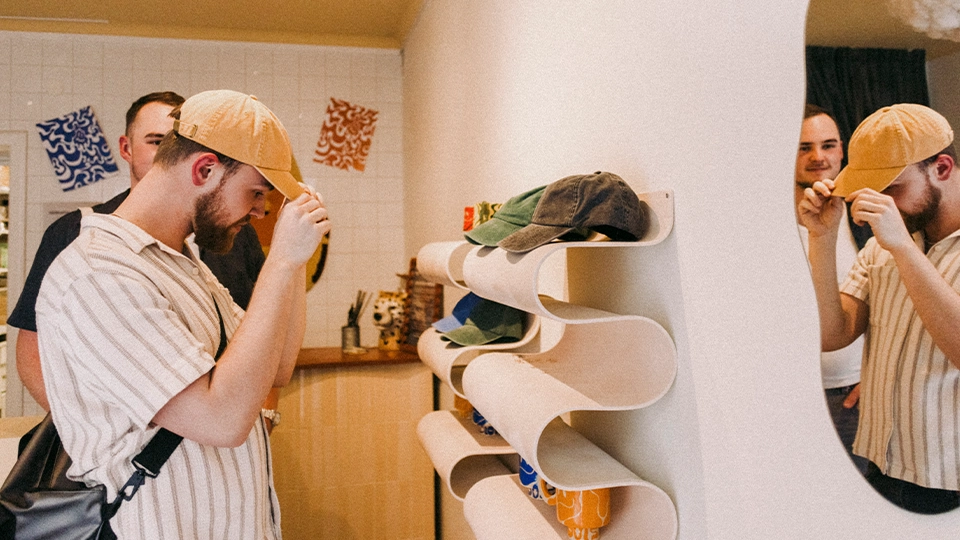
All three panelists were careful to note that younger consumers aren’t becoming anti-tech. Rather, they’re looking for additional connection beyond “the algorithm that they grew up in,” as Rodney put it. Per her team’s findings, 77% of Gen Z and millennials believe that seeing how a brand shows up in a physical space helps them understand it better. This sentiment extends to elements such as packaging, textures and finishes — key drivers of brand trust, according to other Harris Poll “Return of Touch” findings.
Wong emphasized the importance of all of these touchpoints, any of which can be a critical offline engagement for younger consumers. “From the brand side, it’s a huge responsibility and [the experience] really needs to deliver,” she noted. “Because once it’s tactile, it just feels much more real.”
Want to learn more? Visit our Return of Touch research hub here.